

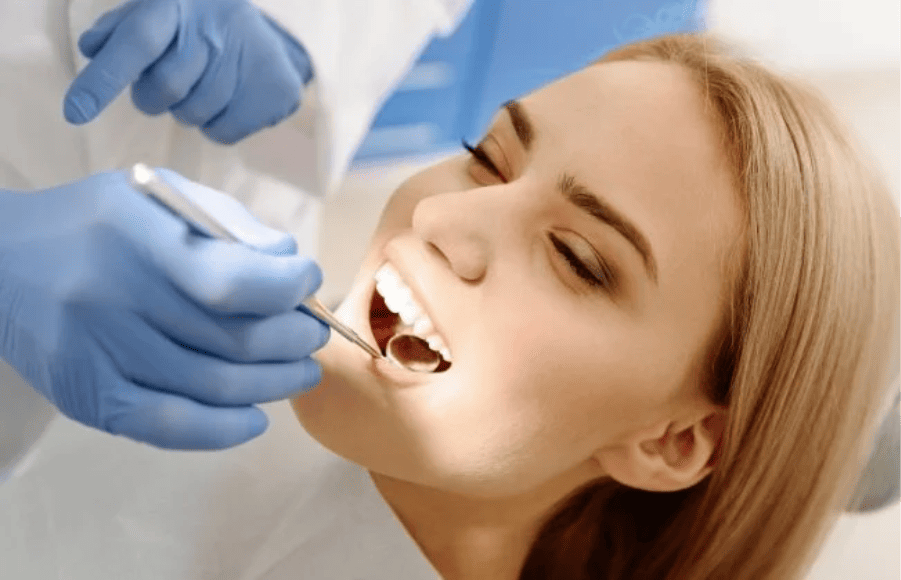
Many people only schedule a dental appointment when they experience significant pain or a visible problem. Unfortunately, waiting until symptoms become severe can allow minor oral health concerns to develop into more serious conditions. The truth is that your mouth often provides early clues when something is not right. Learning to recognize the signs you need dental checkup care can help you address problems before they affect your comfort, appearance, or overall health.
Regular dental visits are an important part of preventive dentistry. Dentists can identify concerns that may not be visible during your daily oral hygiene routine and recommend treatment before issues worsen. Whether you are experiencing tooth sensitivity, bad breath, or other oral health warning signs, seeking professional care early can help protect your smile and support long-term oral health.
In addition, oral health is closely connected to overall wellness. Problems that begin in the mouth can sometimes contribute to other health concerns if left untreated. This is why recognizing the signs you need dental checkup appointments is essential for maintaining both dental and general health.
Why Regular Dental Checkups Matter
Many dental issues begin silently. Cavities, gum disease, and other oral conditions can develop gradually without causing immediate discomfort. As a result, many people assume their teeth and gums are healthy simply because they are not experiencing pain. However, dental professionals are trained to detect subtle signs of trouble long before symptoms become obvious.
Routine dental examinations allow your dentist to monitor your oral health, identify developing concerns, and provide preventive treatments that help maintain healthy teeth and gums. These appointments are one of the most effective ways to avoid future complications.
Benefits of regular dental checkups include:
- Early detection of tooth decay
- Identification of gum disease
- Professional plaque and tartar removal
- Monitoring of existing dental restorations
- Oral cancer screenings
- Personalized oral hygiene guidance
- Improved long-term oral health
Understanding the signs you need dental checkup care can help you determine when it is time to schedule an appointment, even if your next routine visit is not yet due.
1. Persistent Tooth Sensitivity
One of the most common signs you need dental checkup care is ongoing tooth sensitivity. While occasional discomfort after consuming hot or cold foods is fairly common, persistent sensitivity often indicates an underlying issue.
Many people notice sensitivity when drinking coffee, eating ice cream, or consuming acidic foods. If this discomfort becomes frequent or worsens over time, it may signal damage to the protective layers of the tooth.
Common Causes of Tooth Sensitivity
Several dental conditions can contribute to tooth sensitivity.
Common causes include:
- Enamel erosion
- Gum recession
- Tooth decay
- Cracked teeth
- Worn fillings
- Teeth grinding
- Exposed tooth roots
Why Professional Evaluation Is Important
Tooth sensitivity may seem like a minor inconvenience, but it can indicate a developing problem that requires treatment. A dentist can determine the underlying cause and recommend solutions that help protect the tooth from further damage.
Ignoring sensitivity may allow the condition to worsen, potentially leading to increased discomfort and more extensive dental treatment in the future.
2. Chronic Bad Breath
Persistent bad breath is another important sign you need dental checkup attention. While everyone experiences bad breath occasionally, ongoing odor that does not improve with proper oral hygiene may indicate an underlying dental issue.
Bad breath can affect self-confidence and social interactions, but it can also serve as a warning sign of oral health problems that require professional care.
Common Bad Breath Causes
There are many potential bad breath causes that may contribute to persistent odor.
These include:
- Gum disease
- Tooth decay
- Dry mouth
- Oral infections
- Plaque buildup
- Food trapped between teeth
- Poor oral hygiene habits
How Dentists Address Bad Breath
A dental examination can help identify the specific cause of persistent bad breath. In many cases, treating the underlying issue significantly improves breath freshness while also supporting better oral health.
Because bad breath causes can vary from person to person, professional evaluation is often the best way to achieve lasting results.
3. Bleeding or Swollen Gums
Healthy gums should not bleed during brushing or flossing. If you regularly notice blood in the sink after brushing, it may be one of the clearest signs you need dental checkup care.
Many people mistakenly assume bleeding gums are normal. In reality, they often indicate inflammation caused by plaque accumulation along the gumline.
Signs of Gum Disease
Common symptoms associated with gum disease include:
- Bleeding gums
- Swollen gums
- Red gum tissue
- Tender gums
- Gum recession
- Persistent bad breath
Why Early Treatment Matters
Gum disease is one of the leading causes of tooth loss in adults. However, early-stage gum disease is often reversible when identified and treated promptly.
Preventive dentistry focuses heavily on maintaining healthy gums because strong gum tissue provides the foundation needed to support healthy teeth throughout life.
4. Tooth Pain or Discomfort
Tooth pain should never be ignored. Whether the discomfort is mild or severe, it often indicates that something is affecting the health of the tooth.
Pain may occur while chewing, drinking hot beverages, or consuming cold foods. Some individuals experience constant discomfort, while others notice intermittent symptoms.
Common Causes of Tooth Pain
Potential causes include:
- Cavity symptoms
- Tooth infections
- Cracked teeth
- Gum disease
- Damaged fillings
- Dental abscesses
Cavity Symptoms to Watch For
Many cavity symptoms develop gradually and become more noticeable over time.
Common cavity symptoms include:
- Tooth sensitivity
- Toothaches
- Pain when chewing
- Dark spots on teeth
- Visible holes in enamel
- Sensitivity to sweets
If you experience any of these symptoms, scheduling a dental appointment can help prevent further damage.
5. Loose Teeth or Changes in Your Bite
Adult teeth should remain stable and secure. If you notice a loose tooth or changes in the way your teeth fit together, it may be one of the signs you need dental checkup care.
Changes in tooth alignment or bite patterns often indicate underlying problems affecting the gums, bone, or supporting structures of the teeth.
Possible Causes of Loose Teeth
Several factors may contribute to tooth mobility.
These include:
- Advanced gum disease
- Bone loss
- Dental trauma
- Teeth grinding
- Oral infections
Why Bite Changes Should Not Be Ignored
Changes in your bite can affect chewing, speaking, and overall comfort. Early diagnosis allows dentists to identify the cause and recommend appropriate treatment before additional complications develop.
6. Mouth Sores That Do Not Heal
Most mouth sores heal naturally within one to two weeks. However, sores that remain present beyond this timeframe should be evaluated by a dental professional.
Persistent oral lesions may indicate irritation, infection, or other conditions that require attention.
Types of Oral Changes to Monitor
Watch for:
- White patches
- Red patches
- Persistent ulcers
- Lumps
- Thickened tissue
- Unexplained irritation
The Value of Professional Evaluation
Regular dental examinations include screenings of the soft tissues inside the mouth. These evaluations help identify abnormalities early and support overall oral health.
Persistent sores should always be assessed to determine the cause and ensure appropriate treatment.
7. Frequent Dry Mouth
Saliva plays a critical role in protecting your teeth and gums. It helps neutralize acids, wash away food particles, and control bacteria within the mouth.
When saliva production decreases, the risk of dental problems increases significantly.
Symptoms of Dry Mouth
Common symptoms include:
- Sticky feeling in the mouth
- Dry throat
- Difficulty swallowing
- Increased thirst
- Cracked lips
- Persistent bad breath
Risks Associated With Dry Mouth
Chronic dry mouth may contribute to:
- Tooth decay
- Gum disease
- Oral infections
- Plaque buildup
- Increased cavity risk
Because dry mouth can affect many aspects of oral health, it is one of the important signs you need dental checkup care.
Additional Oral Health Warning Signs
Beyond the seven major symptoms discussed above, there are several other oral health warning signs that should not be ignored. Even seemingly minor changes can indicate developing dental problems.
Additional warning signs include:
- Jaw pain
- Difficulty chewing
- Tooth discoloration
- Receding gums
- Persistent headaches
- Broken fillings
- Chipped teeth
- Frequent food impaction
If any of these symptoms persist, a dental examination can help determine the cause and prevent further complications.
How Preventive Dentistry Protects Your Oral Health
Preventive dentistry is designed to keep dental problems from developing or worsening. Instead of waiting until treatment becomes necessary, preventive care focuses on maintaining oral health through regular examinations and cleanings.
Benefits of preventive dentistry include:
- Early problem detection
- Reduced risk of gum disease
- Better oral hygiene habits
- Professional plaque removal
- Improved long-term oral health
- Greater confidence in your smile
Routine checkups remain one of the most effective ways to protect your teeth and gums for years to come.
Conclusion
Recognizing the signs you need dental checkup care can help you take action before small concerns become serious dental problems. Symptoms such as tooth sensitivity, persistent bad breath, bleeding gums, cavity symptoms, loose teeth, dry mouth, and non-healing sores should never be overlooked. These oral health warning signs often indicate underlying conditions that benefit from early diagnosis and treatment.
At Complete Dental Care, we are dedicated to helping patients maintain healthy smiles through comprehensive examinations and preventive dentistry services. If you have noticed any of the symptoms discussed in this article or it has been some time since your last dental visit, now is the perfect time to schedule an appointment. Contact Complete Dental Care today to receive personalized care and take an important step toward protecting your oral health and overall well-being.
Frequently Asked Questions
1. What are the most common signs that indicate I need a dental checkup?
Common signs include tooth sensitivity, bad breath, bleeding gums, tooth pain, dry mouth, loose teeth, and mouth sores that do not heal. These symptoms can indicate underlying dental concerns that require professional attention. Early evaluation helps prevent more serious complications.
2. Can tooth sensitivity be a sign of tooth decay?
Yes, tooth sensitivity can sometimes indicate tooth decay, enamel erosion, gum recession, or a cracked tooth. If sensitivity persists or worsens, it is important to schedule a dental examination. Early treatment can help prevent additional damage.
3. Why do my gums bleed when brushing?
Bleeding gums often result from plaque buildup and gum inflammation. They may also be an early sign of gum disease. A dental professional can determine the cause and recommend appropriate treatment to improve gum health.
4. Is persistent bad breath a dental concern?
Persistent bad breath can indicate gum disease, tooth decay, dry mouth, or bacterial buildup. If the problem does not improve with regular brushing and flossing, a dental evaluation is recommended. Identifying the cause can help restore fresher breath and healthier gums.
5. How often should I have a dental checkup?
The ideal frequency depends on your oral health needs and risk factors. Regular dental visits allow your dentist to monitor your oral health and identify concerns early. Consistent checkups are a key component of preventive dentistry.
6. What are common cavity symptoms?
Common cavity symptoms include toothaches, sensitivity to sweets, visible holes in teeth, pain while chewing, and dark spots on enamel. Early treatment can prevent cavities from becoming larger and more difficult to treat
7. Why is preventive dentistry important?
Preventive dentistry helps identify dental issues before they become serious. Regular examinations and cleanings support healthier teeth and gums while reducing the risk of future complications. This proactive approach contributes to better long-term oral health.