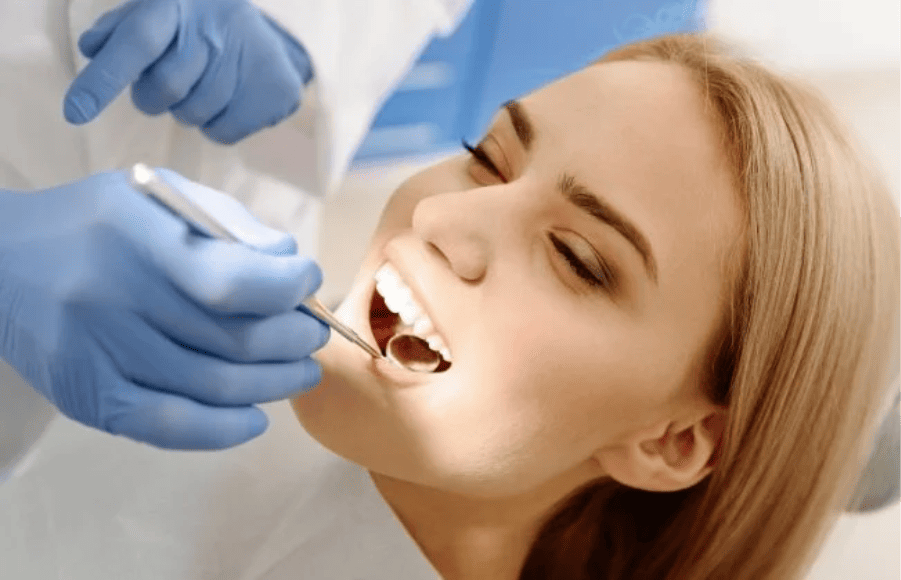


When it comes to achieving a brighter smile, many people find themselves comparing teeth whitening vs whitening kits. With countless whitening products available in stores and online, it can be challenging to know which option will deliver the results you want. Some products promise quick improvements from the comfort of your home, while professional whitening treatments are designed to provide noticeable results under the care of a dental professional. Understanding the differences between these options can help you make a more informed decision.
A whiter smile is often associated with confidence, good oral hygiene, and a healthy appearance. However, not all whitening methods work the same way. The effectiveness of a whitening treatment depends on factors such as the cause of discoloration, the severity of stains, and your individual oral health needs. By learning more about teeth whitening vs whitening kits, you can choose a solution that aligns with your expectations and helps you achieve the best possible outcome for your smile.
Why Teeth Become Discolored
Before comparing whitening options, it is important to understand why teeth lose their brightness over time. Tooth discoloration is a common concern that affects people of all ages. In many cases, stains develop gradually, making it difficult to notice changes until teeth appear noticeably darker or yellow.
Daily habits, aging, and certain lifestyle choices can all contribute to tooth discoloration. Some stains affect the outer surface of the teeth, while others penetrate deeper into the tooth structure. Understanding the source of staining can help determine the most effective stained teeth treatment for your specific situation.
Common causes of tooth discoloration include:
- Coffee consumption
- Tea consumption
- Red wine
- Tobacco use
- Poor oral hygiene
- Aging
- Certain medications
- Highly pigmented foods
- Genetics
Surface Stains vs Deep Stains
Not all stains are the same. Surface stains typically develop on the outer enamel layer and are often caused by foods, beverages, and smoking. Deep stains occur beneath the enamel and may result from aging, medication use, or trauma to the tooth.
Because different types of stains respond differently to whitening treatments, a professional evaluation can help determine which approach is most suitable for your needs.
Understanding Teeth Whitening vs Whitening Kits
The debate surrounding teeth whitening vs whitening kits often comes down to convenience, effectiveness, and long-term results. Both options are designed to improve the appearance of stained teeth, but they differ significantly in their application methods and overall outcomes.
Professional whitening treatments are performed or supervised by dental professionals who customize the process based on each patient’s oral health and whitening goals. Store-bought products, on the other hand, are designed for general use and rely on consumers to follow instructions correctly.
Key differences between the two options include:
- Treatment strength
- Application methods
- Speed of results
- Customization
- Safety monitoring
- Long-term effectiveness
Understanding these differences can help you decide which whitening solution best fits your goals.
How Professional Teeth Whitening Works
Professional whitening treatments are designed to provide significant improvements in tooth color while prioritizing patient safety. Before treatment begins, a dental professional examines your teeth and gums to ensure whitening is appropriate and effective.
This evaluation helps identify any existing dental concerns that may need attention before whitening. Once your oral health is assessed, a customized treatment plan can be created to address your specific needs and desired results.
Benefits of Professional Teeth Whitening
Professional whitening offers several advantages for individuals looking to achieve a brighter smile.
Benefits include:
- Customized treatment plans
- Faster whitening results
- More even color improvement
- Professional supervision
- Enhanced stain removal
- Reduced risk of misuse
- Long-lasting improvements
Why Professional Treatment Is Personalized
Every smile is unique. Some individuals have mild staining, while others have deeper discoloration that requires a different approach. Professional whitening allows dentists to tailor treatment to the patient’s needs, helping achieve more predictable and consistent results.
Many people seeking teeth whitening in Kent WA prefer professional treatment because of its customized nature and ability to address a wide range of staining concerns.
How Store-Bought Whitening Kits Work
Store-bought whitening products are designed for convenience and home use. These products contain whitening ingredients that help reduce stains over time when used according to instructions.
Because these products are available without professional supervision, they are often viewed as a convenient solution for people looking to improve the appearance of their smile at home.
Popular Types of Whitening Kits
There are many different whitening products available to consumers.
Popular options include:
- Whitening strips
- Whitening toothpaste
- Whitening trays
- Whitening pens
- Whitening gels
- Whitening mouth rinses
Among these options, whitening strips remain one of the most commonly used products because they are simple to apply and widely available.
Limitations of Store-Bought Products
Although many whitening kits can improve mild staining, they often have limitations compared to professional treatments.
Potential limitations include:
- Slower results
- Uneven whitening
- Less customization
- Limited effectiveness on deep stains
- User application errors
As a result, some individuals may find that store-bought products do not provide the level of whitening they hoped to achieve.
Comparing the Results
One of the most important aspects of teeth whitening vs whitening kits is the quality of results. Most people want a whitening solution that delivers visible improvements while maintaining a natural appearance.
Professional whitening treatments are generally designed to provide more noticeable changes in tooth color because they use stronger whitening agents and customized application techniques.
Professional Whitening Results
Professional whitening often provides:
- More dramatic improvements
- Consistent whitening across all visible teeth
- Faster outcomes
- Better stain reduction
- Longer-lasting brightness
Many patients notice a significant difference in the appearance of their smile after professional treatment.
Whitening Kit Results
Store-bought products can provide:
- Gradual whitening
- Mild stain reduction
- Convenient application
- Flexible home use
However, results vary widely depending on the product used and the severity of discoloration being treated.
Safety Considerations
Safety should always be an important consideration when choosing a whitening method. Although whitening products are generally safe when used correctly, improper use can increase the likelihood of discomfort or irritation.
Understanding potential risks can help patients make informed decisions regarding their whitening treatment.
Advantages of Professional Supervision
Professional oversight offers several important benefits during whitening treatment.
Advantages include:
- Monitoring of sensitivity
- Protection of soft tissues
- Customized treatment adjustments
- Professional recommendations
- Evaluation of oral health concerns
Risks of Improper Whitening Product Use
When whitening products are used incorrectly, individuals may experience:
- Tooth sensitivity
- Gum irritation
- Uneven whitening
- Temporary discomfort
- Unsatisfactory results
Following instructions carefully is essential when using any whitening product.
Teeth Whitening vs Whitening Kits for Sensitive Teeth
Many patients have concerns about tooth sensitivity during whitening treatments. Existing sensitivity can influence which whitening option is most appropriate.
Comparing teeth whitening vs whitening kits from a sensitivity perspective highlights one of the major advantages of professional treatment. Dental professionals can make adjustments based on individual needs, helping reduce discomfort while still achieving whitening results.
Professional Approaches for Sensitive Teeth
Dentists may use various strategies to improve patient comfort.
These may include:
- Customized treatment plans
- Sensitivity management techniques
- Gradual whitening approaches
- Protective measures for gums
- Personalized recommendations
Challenges With Over-the-Counter Products
Store-bought products are designed for general use and may not address specific sensitivity concerns. As a result, some users may experience irritation or discomfort that could have been minimized through professional guidance.
Individuals with a history of sensitivity should consider consulting a dental professional before beginning whitening treatment.
Which Option Lasts Longer?
The longevity of whitening results is another important factor when comparing whitening methods. Most patients want to maintain their brighter smile for as long as possible after treatment.
Several factors influence how long whitening results remain visible, including dietary habits, oral hygiene practices, and lifestyle choices.
Factors That Affect Whitening Longevity
Results can be influenced by:
- Coffee consumption
- Tea consumption
- Tobacco use
- Oral hygiene habits
- Frequency of dental cleanings
- Dietary choices
Long-Term Whitening Expectations
Professional whitening often provides longer-lasting improvements because of its ability to address deeper discoloration more effectively. While touch-ups may still be necessary over time, many patients find professional treatment offers greater durability than store-bought alternatives.
Choosing the Best Stained Teeth Treatment
Selecting the right stained teeth treatment depends on your goals, the type of discoloration present, and your overall oral health. What works well for one individual may not be the ideal solution for another.
A professional consultation can help determine whether whitening is appropriate and which approach is most likely to deliver the desired outcome.
Professional Whitening May Be Ideal For
Professional treatment may be beneficial for individuals who have:
- Moderate staining
- Deep discoloration
- Sensitive teeth
- Uneven tooth color
- Long-term whitening goals
Whitening Kits May Be Suitable For
Store-bought kits may work well for individuals who have:
- Mild staining
- Limited discoloration
- Interest in home treatment
- Desire for gradual improvements
- Occasional touch-up needs
Understanding your goals can help guide your decision.
Finding Teeth Whitening in Kent WA
Many individuals searching for teeth whitening in Kent WA want a solution that provides noticeable improvements while supporting long-term oral health. Professional whitening treatments offer a customized approach that can address specific concerns and deliver predictable results.
Patients looking for teeth whitening near me often appreciate the reassurance that comes from receiving guidance from an experienced dental team. Professional care helps ensure that treatment is tailored to the individual’s needs and oral health status.
Whether your goal is to address years of staining or simply refresh your smile, a professional consultation can help determine the most effective whitening strategy.
Conclusion
Choosing between teeth whitening vs whitening kits ultimately depends on your whitening goals, the severity of discoloration, and your oral health needs. While whitening strips and other store-bought products may help reduce mild surface stains, professional whitening treatments often provide more consistent, effective, and longer-lasting results. Understanding the advantages and limitations of each option allows you to make a confident and informed decision about your smile.
At Complete Dental Care, we are dedicated to helping patients achieve brighter, healthier smiles through personalized dental care and professional whitening solutions. If you are considering teeth whitening in Kent WA or searching for teeth whitening near me, our experienced team is here to help. Contact Complete Dental Care to schedule your consultation and discover the stained teeth treatment that is right for you. A brighter, more confident smile could be closer than you think.
Frequently Asked Questions
1. What is the main difference between teeth whitening and whitening kits?
Professional whitening treatments are customized and supervised by dental professionals, while whitening kits are designed for home use. Professional treatments typically provide more consistent and noticeable results. They can also address deeper stains more effectively than many store-bought products.
2. Do whitening strips really work?
Yes, whitening strips can help reduce mild surface stains when used correctly and consistently. However, the results are often gradual and may vary depending on the severity of discoloration. They are generally most effective for lighter staining rather than deep discoloration.
3. Which option is better for sensitive teeth?
Individuals with sensitive teeth often benefit from professional whitening because treatment can be customized to minimize discomfort. Dental professionals can adjust the whitening process based on your specific needs. This personalized approach may help reduce irritation and sensitivity.
4. How long do whitening results usually last?
The longevity of whitening results depends on oral hygiene habits, dietary choices, and lifestyle factors. Limiting stain-causing foods and beverages can help maintain a brighter smile. Professional whitening often provides longer-lasting results compared to many store-bought products.
5. Can all types of tooth stains be removed with whitening?
Not all stains respond equally to whitening treatments. Some discoloration caused by aging, medications, or internal tooth changes may require alternative cosmetic solutions. A dental evaluation can help determine the most effective treatment option.
6. Is professional teeth whitening safe?
Professional teeth whitening is generally considered safe when performed under dental supervision. Dentists evaluate your oral health before treatment and monitor the process to help reduce risks. Following professional recommendations contributes to a safer whitening experience.