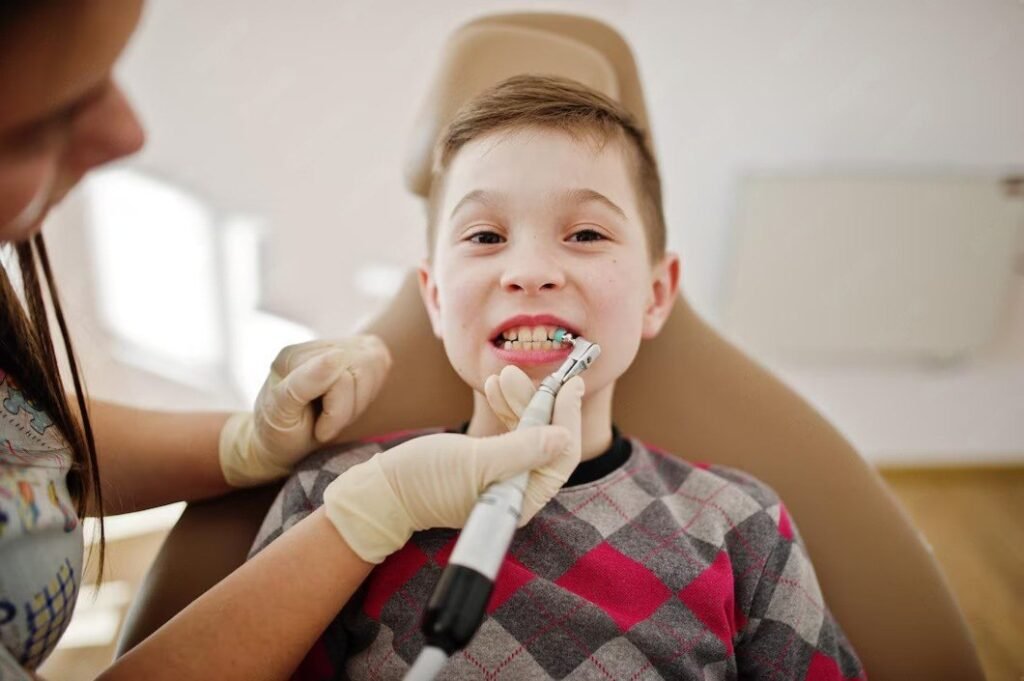

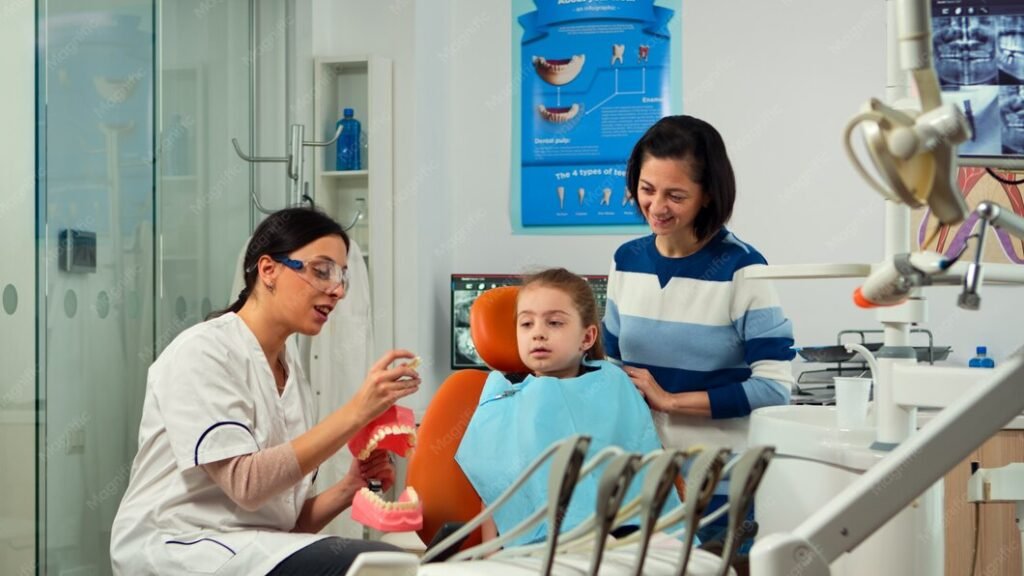
Finding a family dentist in Kent means finding one office that can care for everyone in your household, no matter their age or stage of life. Instead of juggling separate providers for children, parents, and grandparents, a family dental practice brings continuity to something as personal as oral health. That continuity often makes a bigger difference than people expect, since it means fewer repeated conversations, fewer unfamiliar faces, and a dental team that actually gets to know your family over time.
This kind of ongoing relationship becomes especially valuable as needs shift, whether that means guiding a toddler through their first checkup or helping an adult explore options like dental implants later in life. Below, we walk through how family dentistry supports each stage of that journey, from early habit-building to more involved restorative care, and why having one trusted practice, such as our new patient resources, can simplify the whole process.
What Makes a Family Dentist in Kent Different
A general dentist may only see patients within a certain age range, but a true family dentist in Kent is trained and equipped to treat patients from early childhood through the senior years. This broader scope means the practice understands how oral health needs change over time, from the eruption of baby teeth to the wear and tear that comes with decades of use. It also means treatment planning can take a longer view, anticipating what a patient might need five or ten years down the road rather than just addressing what is happening today.
Perhaps more importantly, a family-focused practice tends to build real relationships with the people it serves. Over the years, the dental team becomes familiar with each patient’s history, habits, and concerns, which makes every visit more efficient and far less stressful. For families juggling busy schedules, being able to book appointments for multiple family members at the same practice, often even on the same day, is a practical benefit that saves both time and hassle.
Why Continuity of Care Matters
- One dental record keeps a full history of treatment and habits in one place
- Fewer new-patient forms and repeated explanations at each visit
- Dentists can track changes in a patient’s mouth over many years
- Scheduling multiple family members together becomes far simpler
- Trust builds naturally when the same team sees a family over time
Building Strong Oral Hygiene Habits at Every Age
Good oral hygiene looks different depending on how old a patient is, but the foundation is always the same: consistent daily care paired with regular professional cleanings. For young children, this often starts with learning how to brush properly and getting comfortable with the idea of visiting the dentist in the first place. As children grow into their teenage years, hygiene habits usually need to adapt to account for things like orthodontic appliances, sports activities, or simply busier schedules that make consistency harder to maintain.
Adults face their own set of hygiene challenges, from managing the effects of aging teeth to staying on top of gum health, which becomes increasingly important later in life. A family dentist can tailor hygiene guidance to exactly where a patient is at any given point, rather than offering the same generic advice to everyone. Routine visits for dental checkups and cleanings play a central role in reinforcing these habits and catching small issues before they grow into larger ones.
Oral Hygiene Tips That Apply Across Age Groups
- Brush at least twice daily using a fluoride toothpaste
- Floss once a day to remove plaque between teeth
- Replace toothbrushes every three to four months, or sooner if worn
- Limit sugary snacks and drinks that contribute to enamel wear
- Keep up with scheduled cleanings even when nothing seems wrong
The Role of Preventive Care in Family Dental Services
Preventive care sits at the heart of good family dental services because it focuses on stopping problems before they start, rather than reacting once damage has already occurred. For families, this approach tends to save a great deal of stress over time, since small issues caught early are almost always simpler to manage than problems that have been left unaddressed for months or years. Preventive visits typically include a thorough exam, professional cleaning, and often digital X-rays to check for anything that is not visible to the naked eye.
Beyond the clinical side, preventive care also includes education, helping patients of every age understand what they can do at home to protect their smile between visits. This might mean showing a child the correct way to brush, discussing gum health with an adult patient, or talking through how certain medications or health conditions can affect the mouth as people get older. Our preventive dentistry services are designed to fit naturally into this kind of ongoing, whole-family approach.
What a Preventive Visit Usually Covers
- A full exam checking teeth, gums, and soft tissue
- Professional cleaning to remove plaque and tartar buildup
- Digital X-rays when needed to spot hidden issues early
- Personalized advice based on age, habits, and risk factors
- A plan for follow-up visits based on individual needs
Understanding Dental Implants in Kent WA for Adults and Seniors
As patients get older, tooth loss becomes a more common concern, whether it results from decay, gum disease, or an injury. This is where dental implants in Kent WA often come into the conversation, since implants are designed to replace both the visible tooth and the root beneath it. Unlike some other replacement options, implants are anchored directly into the jawbone, which helps maintain bone structure and gives patients a stable, long-lasting solution rather than something that needs frequent adjustment.
For many adults, the idea of implants can feel intimidating at first, especially without a clear picture of what the process actually involves. In general, treatment starts with a thorough evaluation to determine whether a patient is a good candidate, followed by placement of the implant itself and, eventually, a custom-made replacement tooth. Because every patient’s situation is different, a family dentist who already understands your dental history is well positioned to walk you through whether implants make sense for your specific needs, as outlined on our dental implants page.
Who Might Benefit from Dental Implants
- Adults missing one or more teeth due to decay or injury
- Patients whose dentures no longer fit comfortably or securely
- Individuals looking for a long-term, stable tooth replacement option
- People who want to preserve jawbone structure after tooth loss
- Anyone wanting a solution that functions like a natural tooth
Making Affordable Dental Implants Part of a Realistic Treatment Plan
One of the most common questions families ask is how to make treatments like dental implants fit within a realistic, affordable dental implants plan. While every patient’s situation looks a little different, a family dentist can walk through the available options, including how dental insurance may apply and whether phased treatment plans make sense for your particular case. Breaking treatment into manageable steps often makes a big difference for patients who are weighing multiple priorities at once.
It also helps to have a dental team that understands your full history when planning larger treatments like implants. Because a family dentist already has a record of your oral health over time, they can help identify the most practical path forward rather than starting from scratch with an unfamiliar provider. For patients exploring tooth replacement options more broadly, our page on missing teeth solutions outlines the range of approaches available beyond implants alone.
Ways a Family Dentist Can Help Make Treatment More Manageable
- Reviewing how existing dental insurance benefits may apply
- Discussing phased or staged treatment plans when appropriate
- Explaining every step clearly so there are no surprises along the way
- Coordinating care across family members to simplify scheduling
- Offering guidance based on a patient’s full dental history
Choosing Family Dental Services That Grow With You
The best family dental services are the ones that adapt as your family’s needs change year after year. A practice that only focuses on one age group or one type of treatment can leave families feeling like they need to start over every time something new comes up. A true family-oriented practice, by contrast, is built to handle that evolution, whether it means guiding a young child through their first cavity or helping a parent explore restorative options later in life.
This kind of flexibility also tends to reduce anxiety around dental visits in general. When patients know their dentist understands their history and genuinely has their long-term oral health in mind, appointments start to feel less like isolated events and more like part of an ongoing, supportive relationship. If you are looking for a practice that can grow with your family, our team would be glad to answer any questions through our contact page.
Conclusion
Choosing a family dentist in Kent is really about choosing consistency, a single trusted place that can support your household through every stage of life rather than a rotating set of unfamiliar providers. From early hygiene habits in childhood to more involved treatments like dental implants later on, having one team that understands your family’s full history makes each step of that journey easier to navigate.
At Complete Dental Care, we are committed to being that steady, familiar presence for families throughout Kent, offering guidance and treatment that fits wherever you or your loved ones happen to be right now. If you are ready to find a dental home that can support your entire family for years to come, we encourage you to reach out and schedule a visit with our team today.
Frequently Asked Questions
1. What age can a child start seeing a family dentist?
Most dental professionals recommend a child’s first visit around their first birthday or shortly after their first tooth appears. Starting early helps children get comfortable with dental visits and allows the dentist to monitor development from the very beginning. It also gives parents a chance to ask questions about home care habits early on.
2. Can one family dentist really treat every age group effectively?
Yes, family dentists are trained to care for patients from early childhood through the senior years. This broad training allows them to adjust their approach based on age-specific needs, whether that means guiding a young patient through their first cleaning or discussing restorative options with an older adult. It also means treatment planning can consider long-term oral health rather than a single visit at a time.
3. How often should preventive care visits happen?
Most patients benefit from a preventive visit roughly every six months, though some individuals may need more frequent checkups depending on their oral health history. These visits typically include a cleaning, exam, and sometimes X-rays to catch issues early. Your dentist can recommend a schedule tailored to your specific needs.
4. Are dental implants a good option for older adults?
Dental implants can be a strong option for many older adults, particularly those dealing with tooth loss from decay, injury, or long-term denture wear. Because implants help preserve jawbone structure, they are often considered a durable, long-term solution. A thorough evaluation is the best way to determine whether implants are the right fit for your situation.
5. How can a family dentist help make treatment plans more manageable?
A family dentist can walk through how insurance benefits may apply and whether breaking treatment into smaller phases makes sense for your circumstances. Because they already understand your dental history, they are often able to suggest a more practical, realistic path forward. This kind of planning can make larger treatments feel far less overwhelming.
6. What should I look for when choosing a family dental practice?
Look for a practice that treats a wide range of ages, offers flexible scheduling for multiple family members, and takes time to build an ongoing relationship with patients. It also helps to choose a team that communicates clearly and takes a proactive approach to preventive care. These qualities often make a noticeable difference in the overall experience.