

How Often Should You Really Get Teeth Cleanings in Kent, WA?

May 21, 2026

Filed under: Blogs — Peach @ 11:14 am
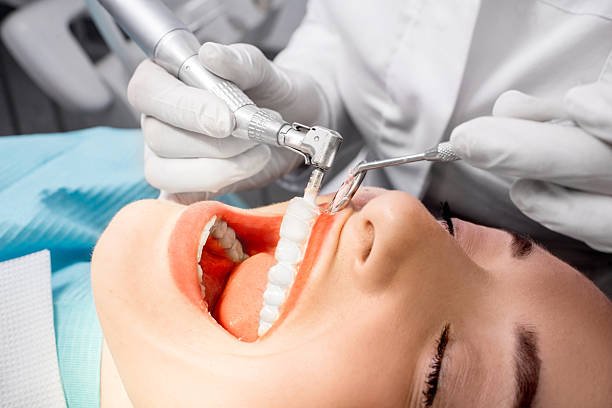
dental cleaning

How often should you get teeth cleaning is one of the most common questions patients ask when planning their oral health routine. While many people follow the standard six month schedule, the right frequency can vary based on your dental history, lifestyle, and risk factors.

In Kent, WA, regular dental visits play an important role in maintaining healthy teeth and gums. Professional cleanings help remove plaque buildup, support preventive dental care, and identify potential problems before they become more serious. Understanding how often you should schedule visits can help you make informed decisions about your oral health while also finding options for dental cleaning near me or affordable teeth cleaning near me.

Why Professional Teeth Cleanings Matter

Daily brushing and flossing are essential, but they cannot remove all plaque and hardened tartar from the teeth. Over time, plaque can mineralize into tartar, which requires professional tartar removal performed by a dental professional.

Professional cleanings help with:

  • Reducing plaque and tartar accumulation
  • Lowering the risk of cavities
  • Supporting gum health
  • Preventing bad breath
  • Detecting oral health concerns early
  • Maintaining overall oral hygiene

Routine cleanings are typically performed by a dental hygienist Kent WA patients trust for preventive services and oral health education.

The Standard Recommendation for Teeth Cleanings

For most adults, dentists recommend professional cleanings every six months. This schedule allows dental providers to monitor oral health consistently and remove buildup before it leads to larger issues.

Why Six Months Is Common

The six month interval works well because plaque and tartar can gradually build up even with good oral hygiene habits. Regular appointments help prevent:

  • Gum inflammation
  • Tooth decay
  • Gingivitis
  • Periodontal disease
  • Excessive tartar accumulation

In addition to cleaning, these visits often include routine dental exams that assess the condition of the teeth, gums, jaw, and soft tissues.

Factors That Affect How Often You Should Get Teeth Cleaning

Not everyone has the same oral health needs. Some patients may benefit from more frequent cleanings, while others with excellent oral health may need fewer visits.

1. Gum Disease History

Patients with gingivitis or periodontal disease often need cleanings every three to four months. More frequent appointments help control bacteria and reduce gum inflammation.

2. Plaque Buildup and Tartar Accumulation

Some people naturally develop heavy plaque buildup more quickly than others. Factors such as saliva composition, diet, and oral hygiene habits can influence how much tartar forms between visits.

3. Smoking or Tobacco Use

Smoking increases the risk of gum disease, staining, and tartar accumulation. Tobacco users may require more frequent professional care.

4. Medical Conditions

Conditions such as diabetes can affect oral health and increase the risk of gum disease. Patients with chronic health conditions often benefit from closer monitoring.

5. Orthodontic Appliances

Braces, aligners, bridges, and dental implants can make cleaning more difficult. Extra maintenance appointments may be recommended.

6. Pregnancy

Hormonal changes during pregnancy can increase gum sensitivity and inflammation, making preventive dental visits especially important.

Signs You May Need a Cleaning Sooner

Even if you recently had a dental appointment, certain symptoms may indicate the need for another professional cleaning.

Watch for these signs:

SymptomWhat It May Indicate
Bleeding gumsGingivitis or gum irritation
Persistent bad breathBacteria and plaque buildup
Yellow or brown depositsTartar accumulation
Gum swellingEarly gum disease
Tooth sensitivityGum recession or enamel wear
Visible plaqueInadequate plaque removal

If you notice these symptoms, searching for dental cleaning near me can help you schedule a preventive visit before the issue worsens.

tartar removal

What Happens During a Professional Teeth Cleaning?

Many patients are unsure what to expect during a cleaning appointment. A standard dental cleaning is usually straightforward and designed to support long term oral health.

Oral Examination

The appointment often begins with a visual assessment of the teeth and gums. The dental team may check for inflammation, cavities, or signs of gum disease.

Plaque and Tartar Removal

Using specialized instruments, the hygienist removes hardened tartar from around the teeth and gumline. This step is essential because tartar cannot be removed through brushing alone.

Deep Cleaning Between Teeth

Professional flossing removes debris and plaque from difficult to reach areas.

Tooth Polishing

Polishing helps remove surface stains and smooth the tooth surface.

Fluoride Treatment

Some patients may receive fluoride treatment to strengthen enamel and reduce cavity risk.

The Difference Between Plaque and Tartar

Understanding the difference between plaque and tartar helps explain why professional cleanings are necessary.

Plaque

Plaque is a sticky film of bacteria that constantly forms on the teeth. It develops after eating and drinking and can usually be removed with brushing and flossing.

Tartar

When plaque is not removed, it hardens into tartar. Tartar is rough and porous, making it easier for bacteria to collect. Professional tartar removal is required to eliminate it safely.

Preventive Dental Care and Long Term Oral Health

Consistent preventive dental care can reduce the need for more complex dental procedures later. Preventive care focuses on maintaining healthy teeth and gums before problems develop.

Benefits include:

  • Lower risk of cavities
  • Reduced chance of gum disease
  • Early detection of dental issues
  • Better long term oral health outcomes
  • Lower overall treatment costs

Preventive dentistry often combines home care with professional cleanings and routine dental exams.

How Routine Dental Exams Support Preventive Care

Professional cleanings are usually paired with routine dental exams. These exams allow dentists to identify concerns that may not yet cause symptoms.

During an exam, the dentist may evaluate:

  • Tooth decay
  • Gum health
  • Bite alignment
  • Oral cancer signs
  • Existing restorations
  • Jaw function

Early detection can make treatment more manageable and less invasive.

How to Maintain Oral Health Between Cleanings

Professional cleanings work best when combined with strong daily habits.

Brush Twice Daily

Use a soft bristled toothbrush and fluoride toothpaste for at least two minutes.

Floss Every Day

Flossing removes bacteria and debris from areas brushing cannot reach.

Limit Sugary Foods and Drinks

Frequent sugar exposure increases cavity risk.

Stay Hydrated

Water helps rinse away food particles and supports saliva production.

Avoid Tobacco Products

Smoking contributes to gum disease and tartar buildup.

Follow Your Dentist’s Recommendations

Patients with specific concerns may need personalized cleaning schedules.

Finding Affordable Teeth Cleaning Options in Kent, WA

Cost is a concern for many patients searching for affordable teeth cleaning near me. Fortunately, many dental offices offer preventive care options for different budgets.

When comparing providers, consider:

  • Insurance acceptance
  • Membership savings plans
  • Preventive care packages
  • New patient cleaning offers
  • Transparent pricing

Preventive care is generally less expensive than treating advanced dental problems later.

How Often Children Should Get Teeth Cleanings

Children also benefit from regular professional cleanings. Pediatric dental visits help monitor oral development and encourage healthy habits early.

Most children should receive cleanings every six months unless a dentist recommends more frequent care.

Professional cleanings for children can help:

  • Prevent cavities
  • Monitor tooth eruption
  • Apply fluoride treatments
  • Encourage proper brushing habits

Are More Frequent Cleanings Harmful?

Some patients worry that frequent cleanings may damage teeth. In most cases, professional cleanings performed correctly are safe and beneficial.

More frequent visits are often recommended for patients with:

  • Gum disease
  • Heavy tartar accumulation
  • High cavity risk
  • Dental implants
  • Smoking habits

Your dentist or dental hygienist Kent WA provider can recommend a schedule tailored to your needs.

How Teeth Cleanings Support Overall Health

Oral health is closely connected to overall health. Research continues to show links between gum disease and conditions such as heart disease, diabetes, and inflammation.

Regular dental visits may help support:

  • Better gum health
  • Reduced oral bacteria
  • Improved diabetes management
  • Lower inflammation levels

Preventive dental care is an important part of maintaining overall wellness.

When to Schedule Your Next Dental Cleaning

If it has been more than six months since your last cleaning, it may be time to schedule an appointment. Delaying preventive visits can allow plaque and tartar to accumulate, increasing the risk of future dental issues.

Patients searching for dental cleaning near me often benefit from choosing a provider who offers comprehensive preventive services, personalized care recommendations, and regular monitoring.

FAQs

Q1. How often should you get teeth cleaning if you have healthy teeth?

Most people with healthy teeth and gums should have professional cleanings every six months. However, some patients may need more or fewer visits depending on their oral health.

Q2. Can plaque buildup lead to gum disease?

Yes. Untreated plaque buildup can irritate the gums and eventually harden into tartar, increasing the risk of gingivitis and periodontal disease.

Q3. What is tartar removal?

Tartar removal is the professional process of removing hardened plaque deposits from the teeth and gumline using specialized dental instruments.

Q4. Are routine dental exams necessary if my teeth feel fine?

Yes. Routine dental exams help identify issues early, including cavities, gum disease, and oral health changes that may not yet cause symptoms.

Q5. How can I find affordable teeth cleaning near me?

Patients searching for affordable teeth cleaning near me can compare providers based on insurance coverage, preventive plans, and transparent pricing options.

Why Do My Gums Bleed When Brushing? Warning Signs You Shouldn’t Ignore

May 20, 2026

Filed under: Blogs — Peach @ 11:06 am
gum disease symptoms

Why are my gums bleeding when brushing is one of the most common concerns people notice during their daily oral care routine. While occasional bleeding may seem harmless, persistent bleeding gums can point to underlying oral health issues that should not be ignored.

If you have recently noticed blood in the sink after brushing or flossing, it is important to understand the possible causes and the warning signs associated with gum disease. In many cases, bleeding gums are an early indication of inflammation, infection, or poor oral hygiene habits that may worsen over time without proper care.

Understanding Why Gums Bleed During Brushing

Healthy gums should not bleed during normal brushing or flossing. When bleeding occurs repeatedly, it usually means the gum tissue has become irritated or inflamed.

Several factors can contribute to bleeding gums, including plaque buildup, aggressive brushing, vitamin deficiencies, hormonal changes, and underlying dental conditions. However, one of the most common reasons is the early stage of gum disease known as gingivitis.

Ignoring these symptoms may allow the condition to progress into more advanced periodontal disease, potentially leading to gum recession, bone loss, and tooth loss.

Common Causes of Bleeding Gums

Understanding the possible triggers can help you identify when professional dental care may be necessary.

1. Plaque and Tartar Buildup

Plaque is a sticky film of bacteria that forms on teeth every day. When plaque is not removed through regular brushing and flossing, it hardens into tartar. This buildup irritates the gums and causes inflammation.

Inflamed gums often become red, tender, and prone to bleeding during brushing.

2. Gingivitis

Gingivitis is the earliest stage of gum disease. It develops when bacteria accumulate along the gumline and trigger inflammation.

Some common gum disease symptoms include:

  • Bleeding during brushing or flossing
  • Red or swollen gums
  • Persistent bad breath
  • Tender gum tissue
  • Gum sensitivity

The good news is that gingivitis is reversible with proper oral hygiene and timely dental care.

3. Brushing Too Hard

Using excessive force while brushing can damage sensitive gum tissue. Hard-bristled toothbrushes may also contribute to irritation and bleeding.

Dentists generally recommend using a soft-bristled toothbrush and gentle circular motions while brushing.

4. Flossing After a Long Break

If you recently started flossing again after neglecting it for a while, your gums may bleed temporarily. This usually improves within a few days as gum health improves.

However, continued bleeding may indicate underlying inflammation.

5. Vitamin Deficiencies

Deficiencies in vitamin C and vitamin K can contribute to gum bleeding. These vitamins play an important role in tissue repair and blood clotting.

A balanced diet rich in fruits, vegetables, and leafy greens supports healthy gums.

6. Hormonal Changes

Hormonal fluctuations during pregnancy, menstruation, or menopause may increase gum sensitivity and inflammation.

Pregnancy gingivitis is especially common and should be monitored carefully.

7. Smoking and Tobacco Use

Smoking weakens the immune system and reduces the body’s ability to fight gum infections. Tobacco users often experience more severe forms of gum disease.

Signs Your Bleeding Gums Could Be Serious

Occasional gum irritation may not always indicate severe disease. However, some symptoms should never be ignored.

Persistent Bleeding

If your gums bleed regularly for more than a week despite good oral hygiene, professional evaluation is recommended.

Gum Recession

Gums pulling away from the teeth can expose tooth roots and increase sensitivity.

Loose Teeth

Advanced periodontal disease can damage the bone supporting your teeth, leading to tooth mobility.

Chronic Bad Breath

Persistent bad breath may result from bacterial buildup below the gumline.

Pain or Swelling

Ongoing discomfort or swollen gums causes concern and may indicate infection.

The Connection Between Bleeding Gums and Gum Disease

Many people do not realize that bleeding gums are often the earliest visible sign of periodontal disease.

Gum disease progresses in stages:

StageSymptomsPossible Treatment
GingivitisRedness, bleeding, mild swellingProfessional cleaning and improved hygiene
Early PeriodontitisGum pockets, persistent bleedingDeep cleaning and monitoring
Moderate PeriodontitisGum recession, bone lossScaling and root planing
Advanced PeriodontitisLoose teeth, severe infectionSurgical periodontal procedures

Early intervention significantly improves treatment outcomes and helps preserve oral health.

gum disease

How Dentists Diagnose Gum Disease

A dental examination helps determine the cause and severity of bleeding gums.

Your dentist may:

  • Examine gum tissue for inflammation
  • Measure gum pocket depth
  • Check for tartar buildup
  • Take dental X-rays
  • Review oral hygiene habits

These evaluations help identify whether you need preventive care or more advanced treatment.

Effective Gingivitis Treatment Options

Prompt gingivitis treatment can stop gum disease before it progresses.

Professional Dental Cleaning

Professional cleanings remove plaque and tartar that brushing alone cannot eliminate.

Improved Oral Hygiene

Dentists often recommend:

  • Brushing twice daily
  • Flossing every day
  • Using antibacterial mouthwash
  • Replacing toothbrushes regularly

Antibacterial Treatments

In some cases, medicated mouth rinses or antibiotics may help reduce bacterial growth.

Lifestyle Changes

Quitting smoking, improving diet, and managing stress can support healthier gums.

When Periodontal Treatment May Be Necessary

If gum disease advances beyond gingivitis, more specialized care may be required.

Patients seeking periodontal treatment kent wa often need procedures designed to clean below the gumline and reduce infection.

Common periodontal treatments include:

Scaling and Root Planing

This deep cleaning procedure removes bacteria and tartar from beneath the gums and smooths tooth roots to promote healing.

Gum Surgery

In severe cases, surgical procedures may be needed to reduce gum pockets or restore damaged tissue.

Maintenance Therapy

Patients with chronic periodontal disease often require ongoing maintenance cleanings to prevent recurrence.

Swollen Gums Causes You Should Know

There are several possible swollen gums causes beyond gum disease.

These include:

  • Food particles trapped between teeth
  • Ill-fitting dental appliances
  • Tooth infections
  • Certain medications
  • Hormonal changes
  • Nutritional deficiencies

Persistent swelling should always be evaluated by a dental professional.

Bleeding Gums Home Remedies That May Help

While home remedies cannot replace professional dental care, they may help reduce mild inflammation and discomfort.

Some commonly recommended bleeding gums home remedies include:

Saltwater Rinse

Warm saltwater may help reduce bacteria and soothe irritated gums.

Proper Brushing Technique

Using a soft toothbrush and gentle motions can minimize irritation.

Staying Hydrated

Dry mouth can contribute to bacterial growth and gum problems.

Eating a Nutrient-Rich Diet

Foods rich in vitamin C and antioxidants may support gum health.

Improving Flossing Habits

Daily flossing removes debris and bacteria between teeth.

It is important to remember that home remedies should not replace professional diagnosis or treatment if symptoms persist.

How to Prevent Bleeding Gums

Prevention plays a major role in maintaining healthy gums.

Maintain Consistent Oral Hygiene

Brush for two minutes twice daily and floss every day.

Schedule Regular Dental Visits

Routine cleanings help remove plaque before it causes inflammation.

Use the Right Dental Products

Soft-bristled toothbrushes and fluoride toothpaste are generally recommended.

Avoid Tobacco Products

Smoking significantly increases the risk of gum disease progression.

Eat a Balanced Diet

Nutrients such as calcium and vitamin C support healthy gums and teeth.

Why Early Treatment Matters

Bleeding gums are often an early warning sign that something is wrong beneath the surface. Delaying treatment may allow infection to spread deeper into the gums and supporting bone.

Early diagnosis and care can help:

  • Reverse gingivitis
  • Prevent tooth loss
  • Reduce inflammation
  • Improve overall oral health
  • Lower the risk of complications

Taking action early is one of the best ways to protect your smile long term.

Conclusion

Bleeding gums should never be considered normal. If you have been asking yourself, “why are my gums bleeding when brushing,” it may be time to pay closer attention to your oral health.

From mild gingivitis to more advanced periodontal disease, bleeding gums can signal problems that require professional care. Understanding the causes, symptoms, and treatment options can help you make informed decisions before the condition worsens.

Practicing good oral hygiene, seeking regular dental checkups, and addressing symptoms early can go a long way toward maintaining healthy gums and preventing long-term complications.

Frequently Asked Questions

Q1. Why do my gums bleed every time I brush?

Frequent bleeding during brushing is commonly caused by plaque buildup, gingivitis, or brushing too aggressively. Persistent symptoms should be evaluated by a dentist.

Q2. Can bleeding gums go away on their own?

Mild gum irritation may improve with better oral hygiene, but ongoing bleeding often requires professional dental treatment.

Q3. Are bleeding gums a sign of gum disease?

Yes. Bleeding gums are one of the earliest and most common gum disease symptoms.

Q4. What is the best gingivitis treatment?

Professional cleanings combined with daily brushing, flossing, and improved oral hygiene are among the most effective gingivitis treatments.

Q5. When should I seek periodontal treatment?

If you experience gum recession, loose teeth, persistent bleeding, or deep gum pockets, professional periodontal evaluation may be necessary.